
Ibn Khaldun
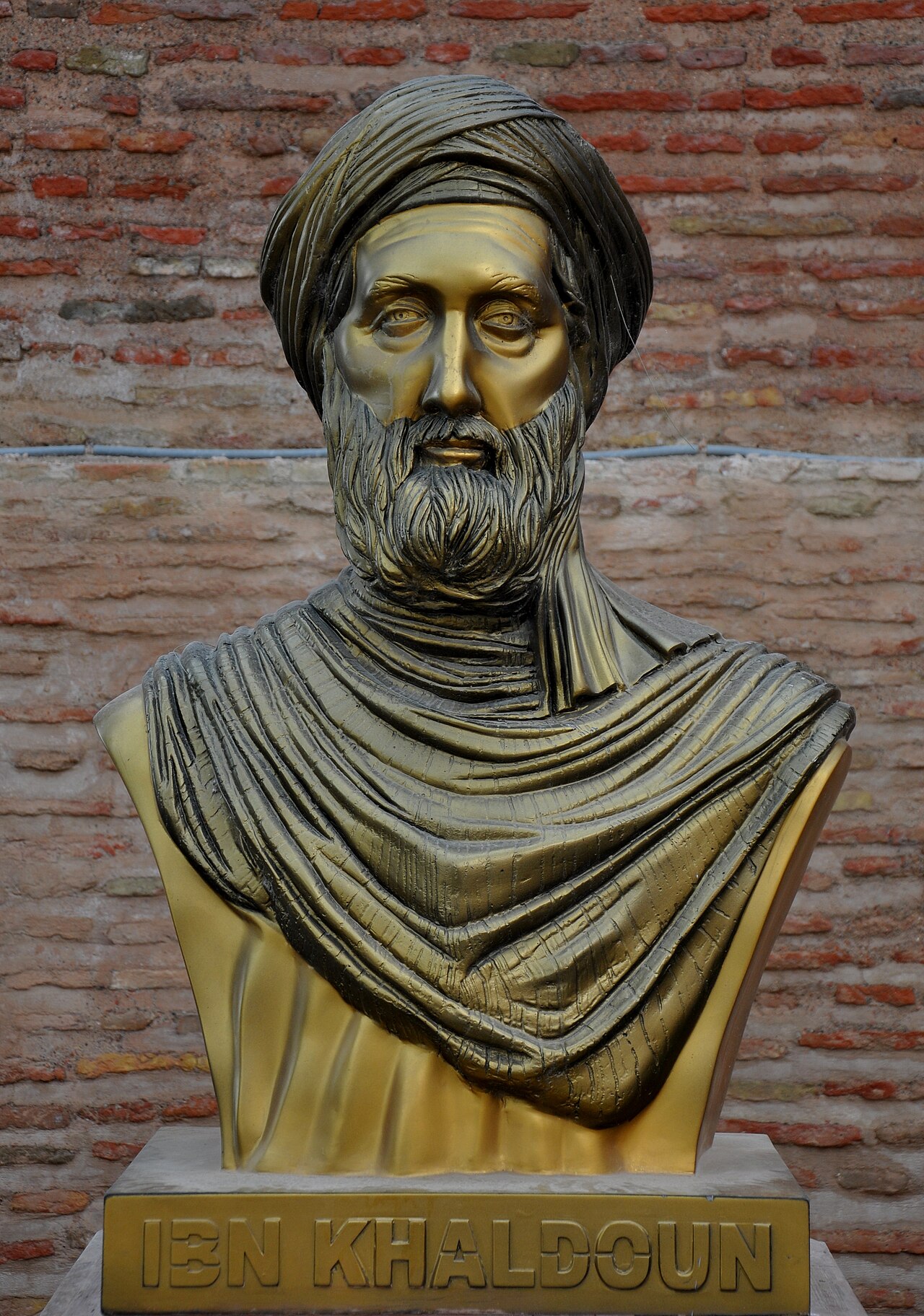
Arab scholar and forerunner of modern social sciences.

Reda Kerbush · CC BY-SA 4.0
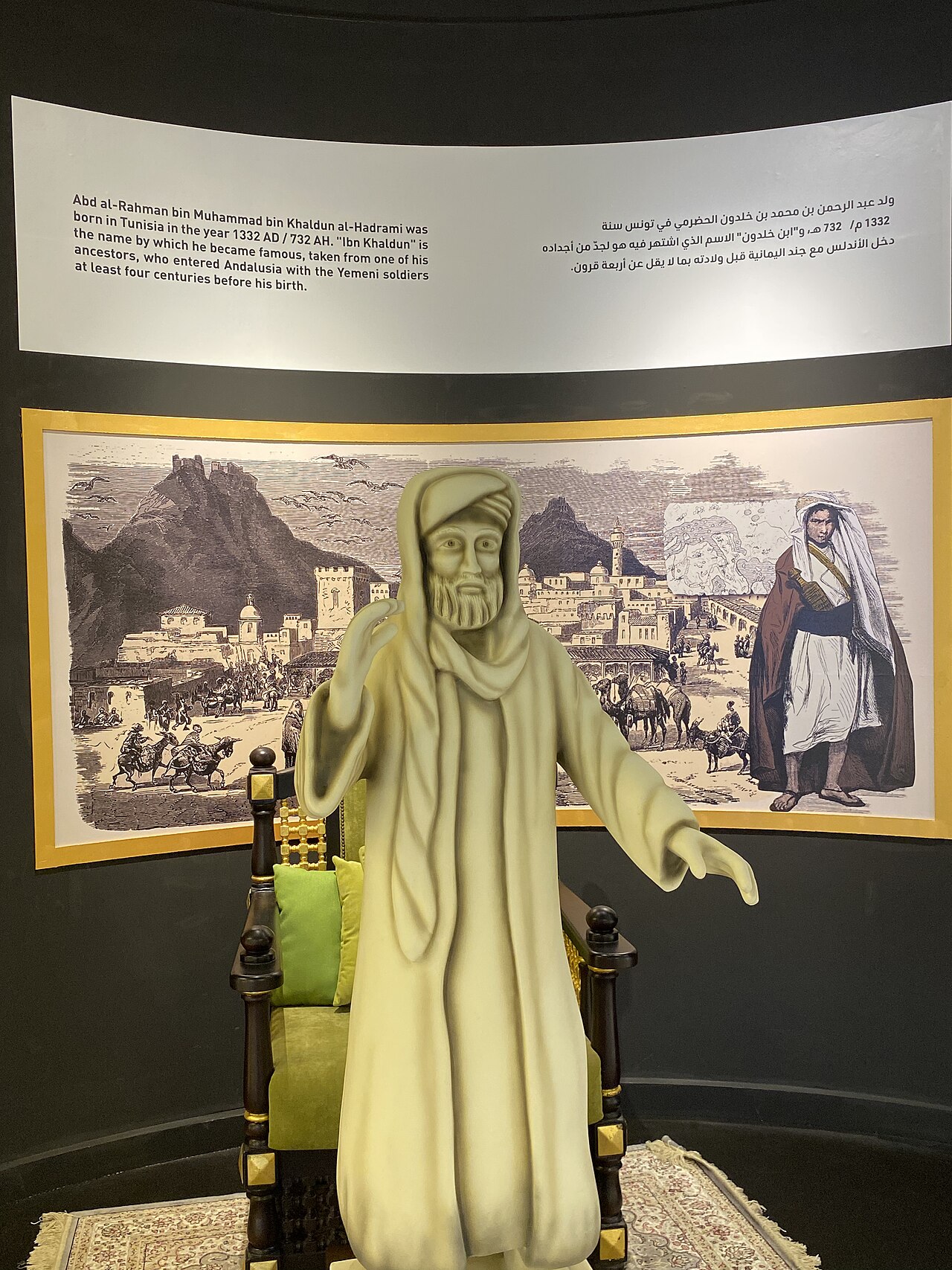
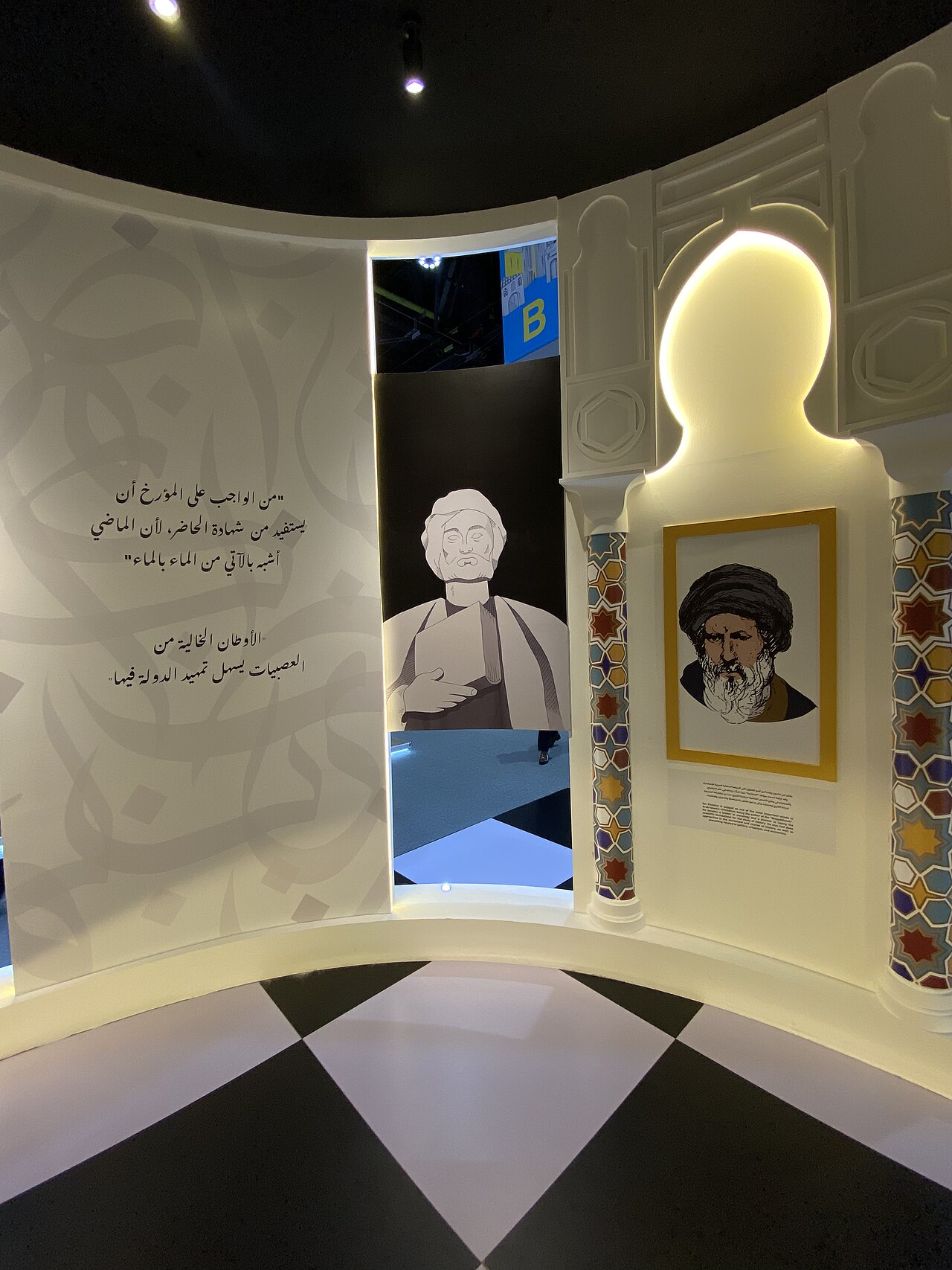
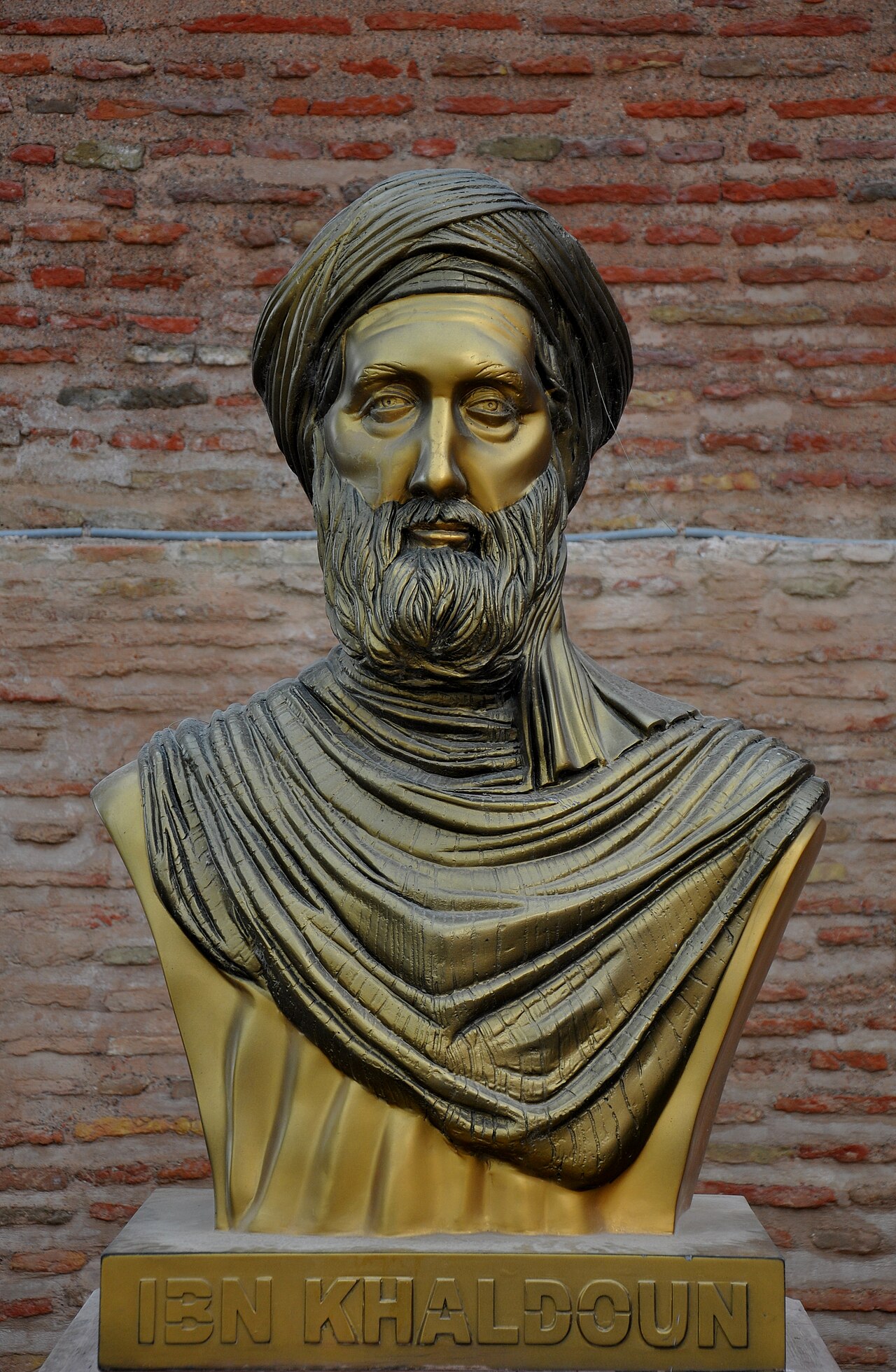
Ibn Khaldūn (27 May 1332 – 17 March 1406, 732–808 AH) was an Arab scholar, historian, philosopher, and sociologist. He is widely acknowledged to be one of the greatest social scientists of the Middle Ages, and is considered by a number of scholars to be a major forerunner of historiography, sociology, economics, and demography studies. His best-known book is the Muqaddimah or Prolegomena ("Introduction"), which he wrote in six months as he states in his autobiography. It later influenced 17th-century and 19th-century Ottoman historians such as Kâtip Çelebi, Mustafa Naima and Ahmed Cevdet Pasha, who used its theories to analyze the growth and decline of the Ottoman Empire. Ibn Khaldun interacted with Tamerlane, the founder of the Timurid Empire.
- born
- 27 May 1332, Tunis
Lore & Background
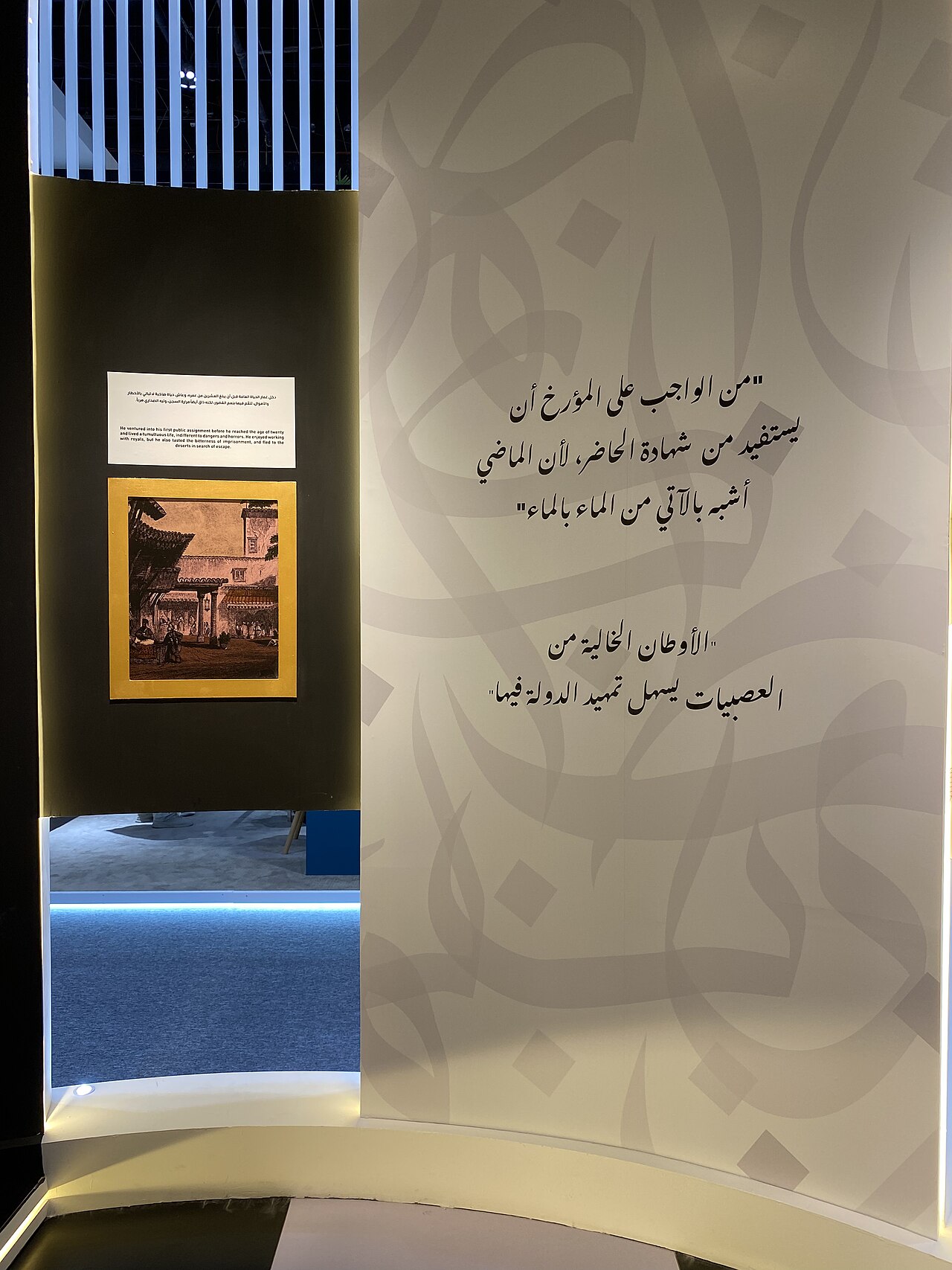
Ibn Khaldūn was born in Tunis on 26 May 1332 (1 Ramadan 732 AH) into an upper-class Andalusian family of Yemeni Arab descent, the Banū Khaldūn. He traced his family's ancestry to Ḥaḍramawt, specifically to the tribe of Kinda, and to Wāʾil Ibn Hujr, a companion of the Islamic prophet Muhammad. The Banū Khaldūn left Seville in 1232 before the Reconquista and the city's occupation in 1248, first settling in Ceuta before moving to Tunis. Ibn Khaldūn lost both his parents to the Black Death plague of 1348–1349. He studied the Quran, Arabic linguistics, hadith, sharia, and fiqh, and was introduced to mathematics, logic, and philosophy by the mathematician and philosopher Al-Abili of Tlemcen. At age 17, he lost both parents to the plague. Following family tradition, he pursued a political career. At age 20, he began in the chancellery of the Tunisian ruler Ibn Tafrakin as Kātib al-'Alāmah (seal-bearer). In 1352, after Abū Ziad marched on Tunis, Ibn Khaldūn followed his teacher Abili to Fez, where the Marinid sultan Abū Inan Fares I appointed him a writer of royal proclamations. He schemed against his employer, which in 1357 got him a 22-month prison sentence. After Abū Inan's death in 1358, Vizier al-Hasān ibn-Umar freed him and reinstated him. He later became a minister under Abū Salem Ibrahim III. He also undertook a diplomatic mission to King Pedro the Cruel of Castile on behalf of the Nasrid Muhammad V of Granada. His autobiography is described as "the most detailed autobiography in Medieval Muslim literature," though it lacked many personal details.
Reader's Guide
Ibn Khaldūn's significance lies in his pioneering work in social sciences, particularly through his book the Muqaddimah. Written in six months as he states in his autobiography, it introduced theories that later influenced 17th-century and 19th-century Ottoman historians such as Kâtip Çelebi, Mustafa Naima and Ahmed Cevdet Pasha, who used its theories to analyze the growth and decline of the Ottoman Empire. His works have been compared with those of influential European philosophers such as Niccolò Machiavelli, Giambattista Vico, David Hume, G. W. F. Hegel, Karl Marx, and Auguste Comte as well as the economists David Ricardo and Adam Smith, suggesting that their ideas found precedent (although not direct influence) in his. He has also been influential on certain modern Islamic thinkers (e.g. those of the traditionalist school). Ibn Khaldun interacted with Tamerlane, the founder of the Timurid Empire. His life, divided into phases by scholars Walter Joseph Fischel (two phases) and Syed Farid Alatas (three phases), reflects a tumultuous political career in North Africa, marked by prison, high office, and exile. Al-Sakhāwī summarizes his career as including travel through major western Islamic centers such as Fez, Granada, and Tlemcen, alongside repeated shifts between political roles, and notes that he later arrived in Cairo in Shaʿbān 782 AH/1380 CE.
Did You Know?
- Ibn Khaldūn wrote his best-known book, the Muqaddimah, in six months as he states in his autobiography.
- He lost both his parents to the Black Death plague of 1348–1349 when he was 17.
- At age 25, he was imprisoned for 22 months for scheming against the Marinid sultan Abū Inan Fares I.
- He traced his family's ancestry to Wāʾil Ibn Hujr, a companion of the Islamic prophet Muhammad.
- His autobiography is described as 'the most detailed autobiography in Medieval Muslim literature.'
Gallery

More in Philosophers & Thinkers 1-24
Related in Philosophers & Thinkers
Links follow this subject's own source article.
Elsewhere in the Philosophers & Thinkers universe
Spotted an error? Know more?
This is a living reference — every entry is fact-audited, and reader corrections feed straight into our audit queue. Suggest an edit · See this site's audit record