
Moses Maimonides
Sephardic rabbi, philosopher, and personal physician to Saladin of the Ayyubid Sultanate.

Moses Maimonides · Public domain
Moses ben Maimon (died 12 December 1204), commonly known as Maimonides and also referred to by the Hebrew acronym Rambam, was a Sephardic Jewish rabbi who is widely acknowledged as one of the most prolific and influential Torah scholars of the Middle Ages. Originally from Córdoba, where he was born on Passover Eve of 1135 or 1138, his family was exiled from Muslim-ruled Spain when they refused to convert to Islam shortly after the Almohad Caliphate conquered the Almoravid dynasty in 1148. Over the next two decades, he resided in Fez, Acre, Jerusalem, Alexandria, and Cairo before finally settling in Fustat between 1168 and 1171. He became renowned as an astronomer, philosopher, and physician—even being appointed to serve as personal physician to Saladin of the Ayyubid Sultanate.
- known_for
- Mishneh Torah, thirteen principles of faith, personal physician to Saladin of th
Lore & Background
Maimonides was born on Passover Eve of 1135 or 1138 in Córdoba, then under the Muslim-ruled Almoravid dynasty. His father, Maimon ben Joseph, was a dayyan or rabbinic judge. Maimonides studied Torah under his father, who had studied under Joseph ibn Migash, a student of Isaac Alfasi. At an early age, he developed an interest in contemporary science and philosophy, reading ancient Greek philosophy via Arabic translations. After the Almohad conquest of Córdoba in 1148 abolished dhimmi status, his family chose exile. For the next ten years, Maimonides moved about in southern Spain and North Africa, eventually settling in Fez. During this time, he composed his acclaimed commentary on the Mishnah during 1166–1168. Following his sojourn in Morocco, he lived in Acre with his father and brother, arriving on May 16, 1165. In October, he visited Jerusalem and prayed at the Temple Mount, writing that this day was a day of holiness for him and his descendants. He then visited the Cave of the Patriarchs in Hebron. By 1168, he settled in Fustat in Fatimid Caliphate-controlled Egypt. He was instrumental in helping rescue Jews taken captive during the Christian Amalric of Jerusalem's siege of Bilbeis, sending five letters to Jewish communities of Lower Egypt to pool money for ransom. The captives were eventually released. Following this success, the family gave their savings to his brother David, a merchant. Against Maimonides' wishes, David boarded a ship for India and drowned at sea sometime between 1169 and 1177. Maimonides wrote: 'The greatest misfortune that has befallen me during my entire life—worse than anything else—was the demise of the saint... who drowned in the Indian sea... On the day I received that terrible news I fell ill and remained in bed for about a year, suffering from a sore boil, fever, and depression, and was almost given up.' Around 1171, Maimonides was appointed nagid of the Egyptian Jewish community, though he was replaced by Sar Shalom ben Moses in 1173. After a controversial period, Maimonides was appointed Nagid again in 1195.
Reader's Guide
With the loss of family funds tied up in David's venture, Maimonides assumed the vocation of physician, for which he was to become famous. He had trained in medicine in both Spain and Fez. Gaining widespread recognition, he was appointed court physician to Qadi al-Fadil, the chief secretary to Sultan Saladin, then to Saladin himself; after Saladin's death, he remained a physician to the Ayyubid dynasty. In his medical writings, he described many conditions including asthma, diabetes, hepatitis, and pneumonia, emphasizing moderation and a healthy lifestyle. He followed the principles of humorism in the tradition of Galen but used his own observation and experience. In a famous letter, Maimonides described his daily routine: after visiting the Sultan's palace, he would arrive home exhausted and hungry, where 'I would find the antechambers filled with gentiles and Jews... I would go to heal them, and write prescriptions for their illnesses... until the evening... and I would be extremely weak.' Even on Shabbat he would receive members of the community. Maimonides is recognized as one of the foremost rabbinic decisors, and his copious work comprises a cornerstone of Jewish scholarship. His fourteen-volume Mishneh Torah still carries significant canonical authority in Judaism as a codification of halakha, as do his thirteen principles of faith. Most contemporary Jews as far as Iraq and Yemen acclaimed his writings on halakha and Jewish ethics, though he also had many loud critics, particularly in Spain. His era is considered by many to mark the end of the Jewish Golden Age in Spain, owing to the ubiquitous persecution of his family and the Sephardic Jewish community, though others assert that it lasted until the Christian Reconquista concluded in the 15th century. Aside from being revered by Jewish historians, Maimonides features very prominently in the history of Islamic science. Influenced by Aristotle, al-Farabi, ibn Sina, and his contemporary ibn Rushd, his work as a polymath contributed to the Islamic Golden Age and was regarded highly in many parts of the Muslim world. He continued to live in Fustat until his death in 1204 and is said to have been buried in Tiberias; the Tomb of Maimonides in Tiberias holds importance as a Jewish pilgrimage site.
Did You Know?
- Maimonides' Hebrew acronym Rambam stands for 'our Rabbi, Moshe son of Maimon'.
- He wrote that the day he visited the Temple Mount in Jerusalem was 'a day of holiness for him and his descendants'.
- After his brother David drowned at sea, Maimonides fell ill and remained in bed for about a year, suffering from a sore boil, fever, and depression.
- He was appointed personal physician to Saladin, and after Saladin's death remained a physician to the Ayyubid dynasty.
- Maimonides was sometimes known as 'The Great Eagle' (Hebrew: haNesher haGadol).
The Polymath's Intellectual Achievements
Moses ben Maimon, born on the eve of Passover in Córdoba around 1135 or 1138, grew up in a household steeped in rabbinic learning. His father, a dayyan, had studied under Joseph ibn Migash, a disciple of Isaac Alfasi, and passed that lineage of scholarship to his son. From an early age, the young Moses gravitated toward the sciences and philosophy, reading ancient Greek thought through Arabic translations and absorbing the intellectual currents of Islamic civilization. This cross-cultural immersion shaped him into a true polymath: he became a recognized astronomer, a philosopher influenced by Aristotle, al-Farabi, ibn Sina, and his contemporary ibn Rushd, and a physician of such caliber that he was appointed personal physician to Saladin of the Ayyubid Sultanate. His scholarly output was staggering. His fourteen-volume Mishneh Torah codified halakha and remains a cornerstone of Jewish law, while his thirteen principles of faith articulated a systematic theology. He also produced a celebrated commentary on the Mishnah between 1166 and 1168. To this day, he stands among the foremost rabbinic decisors in Jewish history, and his work contributed meaningfully to the broader Islamic Golden Age of science and philosophy.
Exile and the Long Road to Egypt
The Almohad conquest of Córdoba in 1148 shattered the relative security that Muslim-ruled Spain had afforded its Jewish and Christian communities. By abolishing dhimmi status, the new Berber rulers forced non-Muslims to convert, die, or flee. The Maimonides family chose the road of exile, and for roughly two decades Moses and his kin wandered through southern Spain, Morocco, the Levant, and Egypt. They settled briefly in Fez, where his teacher may have been Yehuda Ha-Cohen Ibn Susan, who was killed in 1165. In May 1165 the family arrived in Acre, spending five months before Moses traveled to Jerusalem, where he prayed on the Temple Mount—a day he later called holy for himself and his descendants—and visited the Cave of the Patriarchs in Hebron. By 1168 or 1171, the family had taken up residence in Fustat, in Fatimid Egypt, where Moses studied at a yeshiva attached to a small synagogue that still bears his name. It was in this restless, uprooted period that he composed his acclaimed commentary on the Mishnah, transforming displacement into a crucible of extraordinary intellectual production.
A Canon That Endures
Maimonides' influence on Jewish thought is so vast that his writings on halakha and Jewish ethics were acclaimed by contemporary communities stretching from Iraq to Yemen. His fourteen-volume Mishneh Torah, a comprehensive codification of Jewish law, continues to carry significant canonical authority within Judaism, and his thirteen principles of faith remain a foundational articulation of Jewish belief. He is widely regarded as one of the foremost rabbinic decisors in the history of the faith, and his copious body of work constitutes a cornerstone of Jewish scholarship. Beyond the Jewish world, his contributions to philosophy, astronomy, and medicine earned him a prominent place in the history of Islamic science; he was regarded highly across much of the Muslim world and is seen as a contributor to the Islamic Golden Age. After his death on December 12, 1204, in Fustat, he is said to have been buried in Tiberias, where the Tomb of Maimonides remains a site of Jewish pilgrimage. Many scholars view his era as marking the close of the Jewish Golden Age in Spain, though others extend that period until the Christian Reconquista ended in the fifteenth century.
Grief, Compassion, and the Weight of Leadership
Beneath the towering intellectual legacy lay a man shaped by profound personal loss and acts of extraordinary compassion. When the family entrusted their savings to his younger brother David, a merchant, and directed him to trade only at the Red Sea port of 'Aydhab, David defied the instruction and sailed toward India in pursuit of greater fortune. He drowned at sea sometime between 1169 and 1177, and the grief struck Moses so severely that he fell ill. A letter later discovered in the Cairo Geniza reveals the raw anguish of that loss. Yet even in sorrow, Maimonides channeled his energy into protecting others. During the Christian siege of Bilbeis in the southeastern Nile Delta, Jews were taken captive. Moses dispatched five letters to Jewish communities across Lower Egypt, urging them to pool funds for a ransom. The money was gathered and handed to two judges who traveled to the Kingdom of Jerusalem to negotiate with the Crusaders, and the captives were ultimately released. In Fustat, he rose to lead the Jewish community in Egypt, a role that brought both widespread acclaim and loud criticism, particularly from critics in Spain.
Gallery
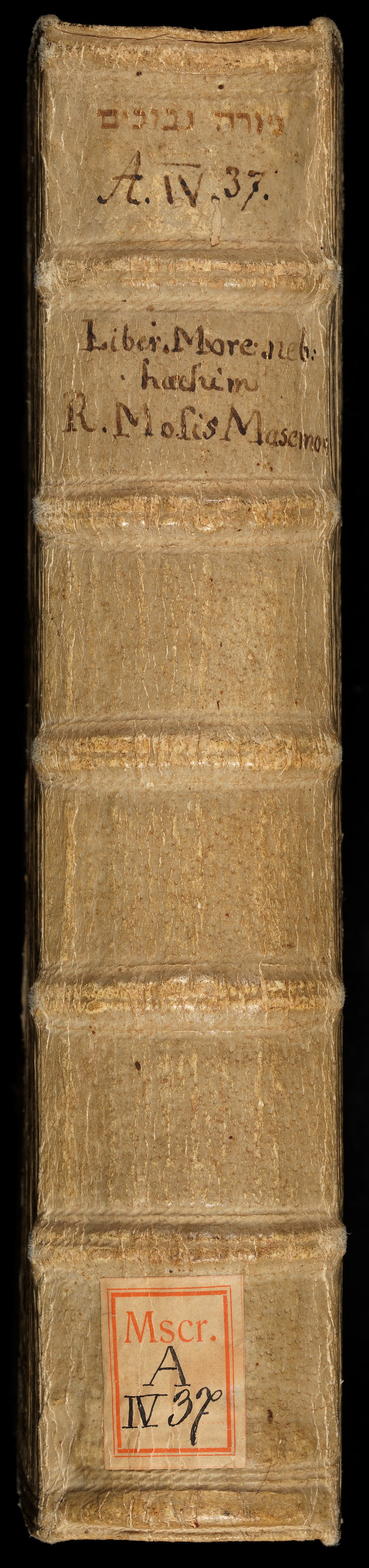
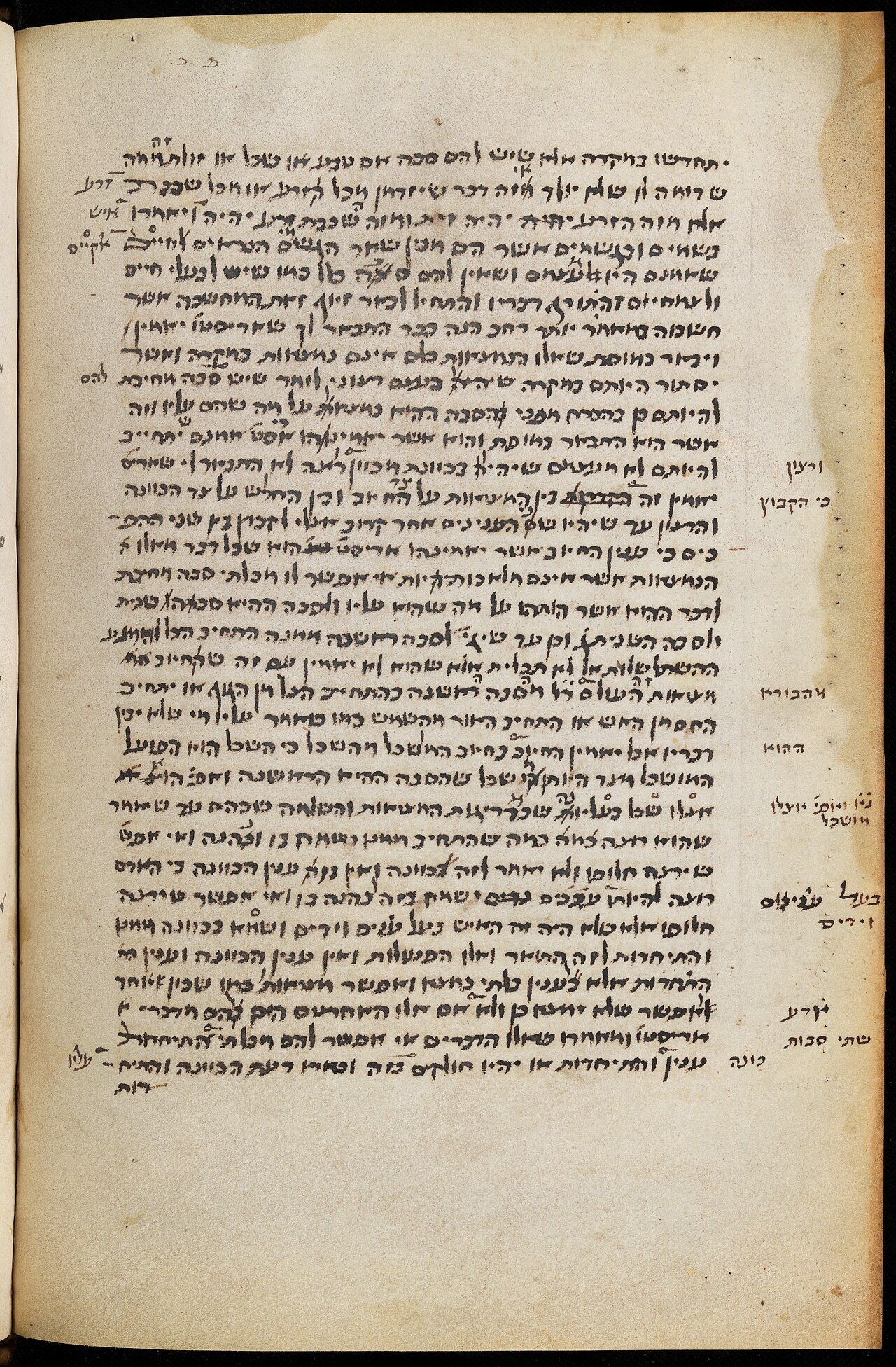
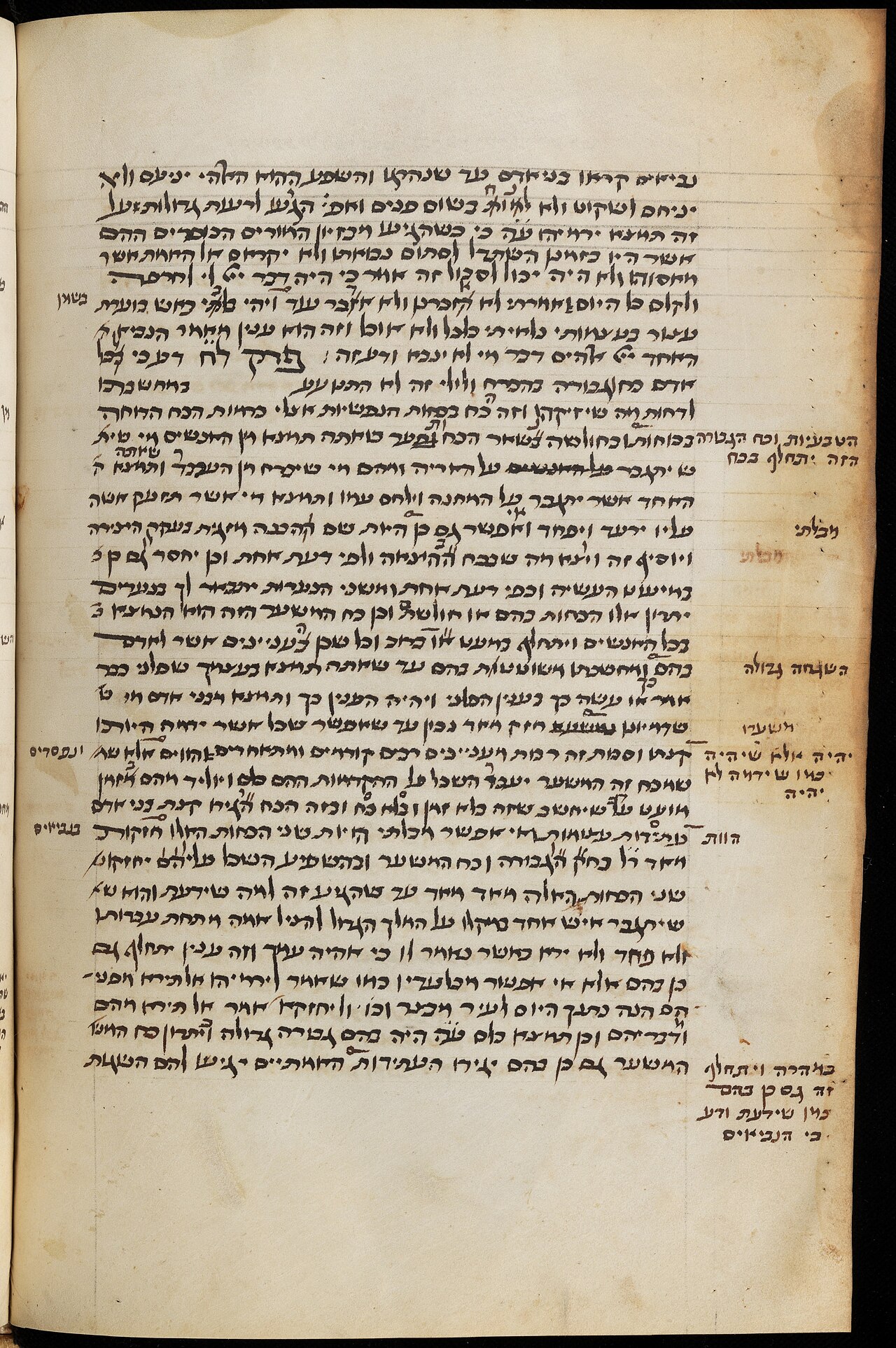
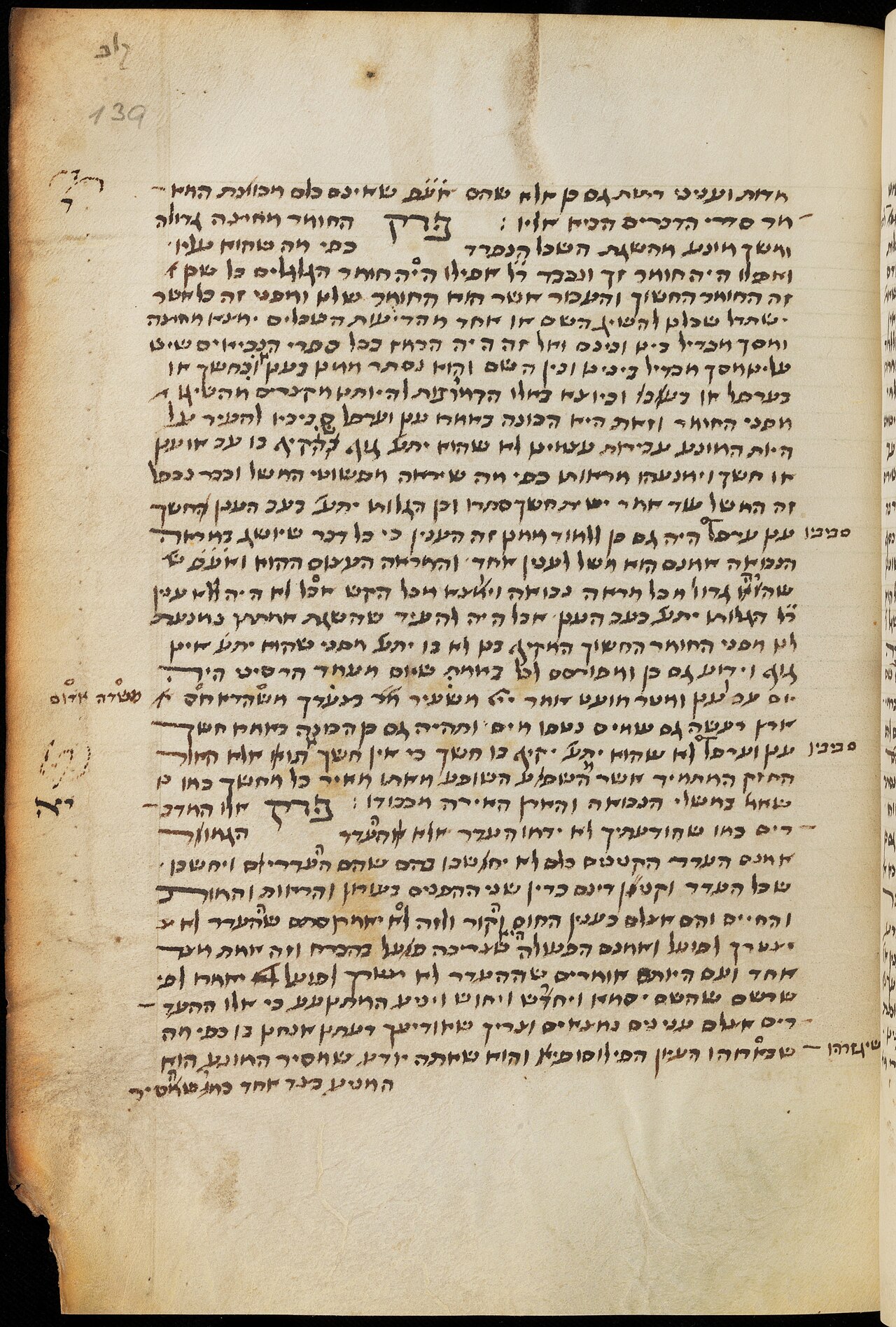
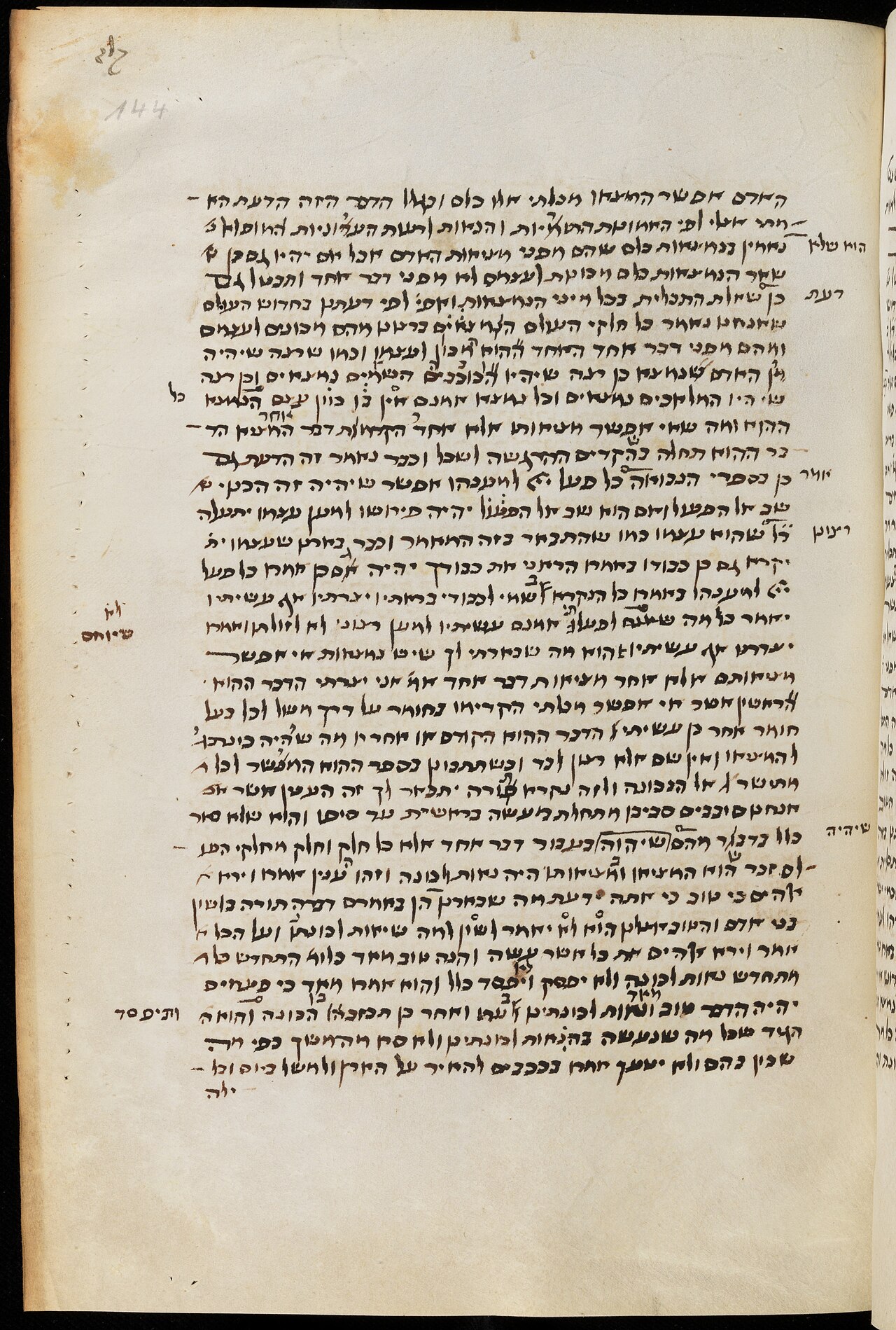
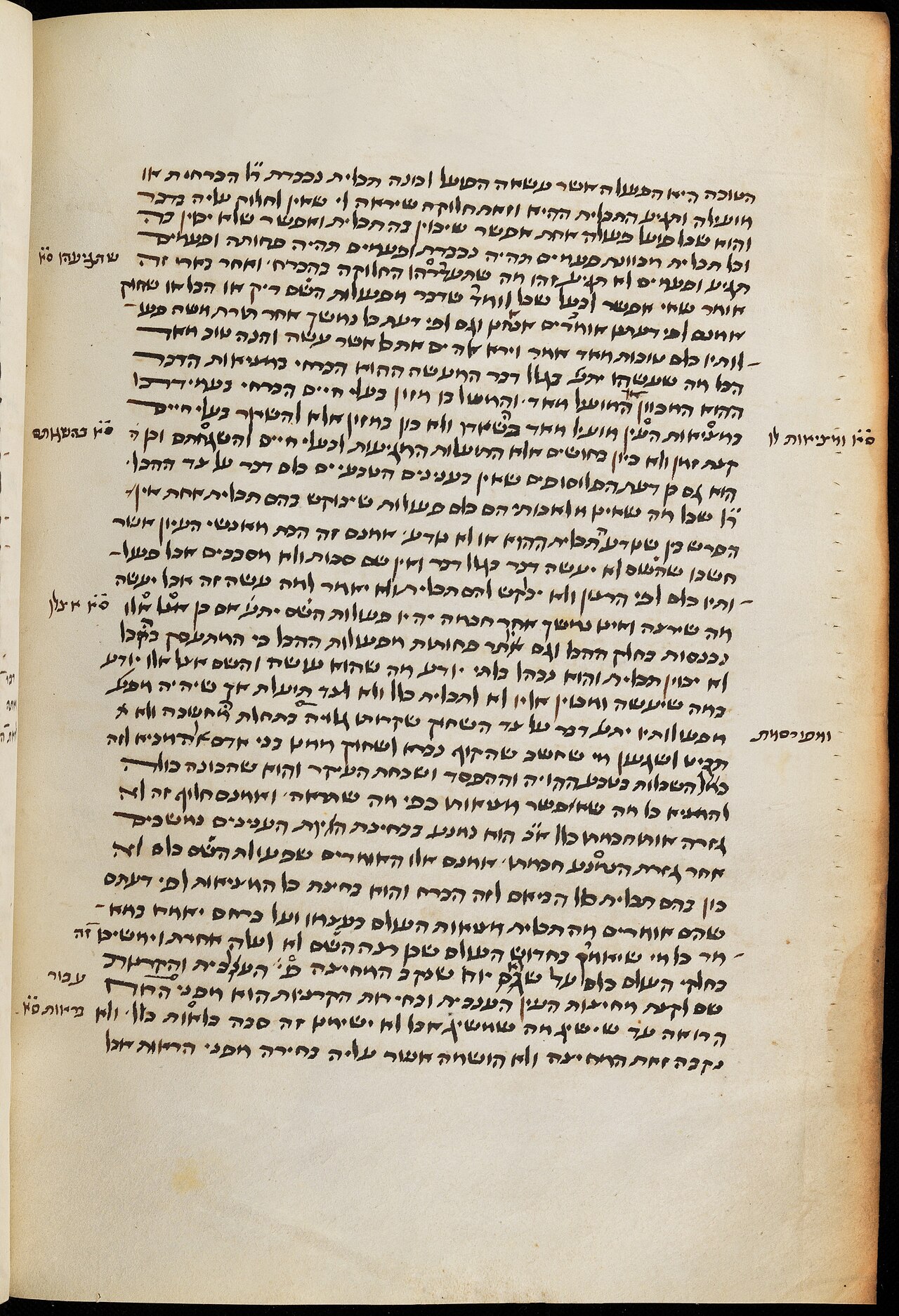
Frequently Asked Questions
Who is Moses Maimonides?
Moses Maimonides, also known by the Hebrew acronym Rambam, was a 12th-century Sephardic Jewish rabbi, philosopher, astronomer, and physician originally from Córdoba. He is widely regarded as one of the most prolific Torah scholars of the medieval era and served as personal physician to Saladin of the Ayyubid Sultanate.
What are Moses Maimonides's major works?
His most celebrated contributions are the fourteen-volume Mishneh Torah, a sweeping codification of Jewish law, and his thirteen principles of faith, both of which remain foundational texts in rabbinic study. His philosophical writings also left a lasting imprint on the broader intellectual culture of the Islamic Golden Age.
What was Moses Maimonides's role as a physician?
Maimonides practiced medicine in Egypt and held the position of personal physician to Saladin, ruler of the Ayyubid Sultanate. His medical practice ran parallel to his deep interests in astronomy and philosophy, making him a polymath whose clinical work complemented his vast scholarly output.
Why is Moses Maimonides important?
He anchors Jewish legal and theological scholarship to this day through the Mishneh Torah and the thirteen principles of faith. His ability to weave together Jewish, Islamic, and Greek philosophical traditions also made him a pivotal bridge figure in the medieval intellectual world.
Where was Moses Maimonides born and where did he die?
He was born in Córdoba in 1135 or 1138 under Muslim rule and died in Fustat, Egypt, on 12 December 1204. His life's journey from Iberia to the Egyptian sultanate shaped both his medical career and his encyclopedic scholarly legacy.
More in Philosophers & Thinkers 25-40
Elsewhere in the Philosophers & Thinkers universe
Spotted an error? Know more?
This is a living reference — every entry is fact-audited, and reader corrections feed straight into our audit queue. Suggest an edit · See this site's audit record