
Niccolò Machiavelli
Florentine diplomat and author of The Prince.
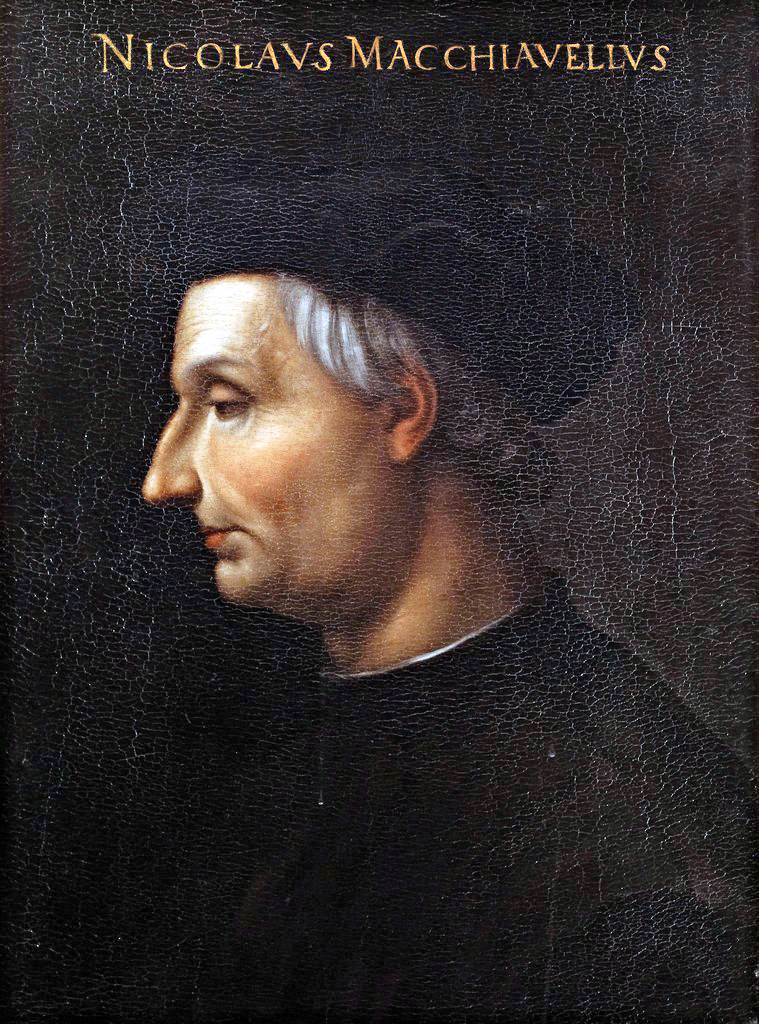
Niccolò di Bernardo dei Machiavelli (3 May 1469 – 21 June 1527) was a Florentine diplomat, writer, philosopher, and historian active during the Italian Renaissance. His most famous work is the political treatise *The Prince* (*Il Principe*), composed around 1513 but published only in 1532, five years after his death. He is widely regarded as the founder of modern political philosophy and political science. For many years, Machiavelli held a senior post in the Florentine Republic, handling diplomatic and military matters. From 1498 to 1512, he served as secretary to the second chancery while the Medici family was out of power. When the Medici returned to control Florence in 1512, he lost his diplomatic position. Shortly after, he was wrongly suspected of treason and sent into exile. A year later, he began writing political works. After his death, Machiavelli’s name became linked with the ruthless tactics he described in *The Prince*. In that book, he argued that rulers sometimes must adopt harsh policies for the sake of their state, breaking with classical political thought. He advised leaders to commit evil acts when political necessity demanded it—for instance, stating that successful founders and reformers of governments should be forgiven for killing their political enemies. *The Prince* has sparked controversy since its publication, with many readers viewing it as a manual for aspiring tyrants to seize power and establish absolute rule. Even modern scholars like Leo Strauss have repeated the traditional view that Machiavelli was a “teacher of evil.”
Though Machiavelli is best known for his work on principalities, scholars also study the republican ideas in his other writings. *The Discourses on Livy* (composed around 1517) is considered a foundation for modern republicanism. His works heavily influenced later Enlightenment thinkers such as Jean-Jacques Rousseau and James Harrington. Machiavelli’s philosophical ideas have shaped generations of philosophers, academics, and politicians, who continue to debate their meaning. **Life**
Niccolò Machiavelli was born in Florence, Italy, on 3 May 1469, the third child and first son of attorney Bernardo di Niccolò Machiavelli and his wife, Bartolomea di Stefano Nelli. The Machiavelli family was a second-tier elite Florentine clan in the late 13th and 14th centuries, likely originating south of Florence near Giogoli. They later became substantial landowners around Sant’Andrea in Percussina, possibly descending from minor feudal nobility in the Val di Pesa. Machiavelli’s father, Bernardo, was born illegitimately, which prevented him from becoming a full citizen of Florence or participating in politics. This also affected Niccolò, who could not obtain full citizenship rights. Little is known about Machiavelli’s early life; historians rely heavily on his father’s diary, the *Libro di Ricordi*, discovered in the 20th century. His family had a major influence on him, and it is said his father shaped Machiavelli’s later preference for republican government. Very few facts survive about his mother, and no letters or written accounts describe her or her life. Machiavelli grew up in turbulent times. When he was eight, the Pazzi family conspired to assassinate both Lorenzo and Giuliano de’ Medici, the de facto rulers of Florence, during a church service. Only Giuliano was killed, and the conspirators were arrested and hanged. Machiavelli witnessed the violence that followed. As a young man, he listened to the lengthy sermons of Girolamo Savonarola but was not swayed by them; Machiavelli later said Savonarola colored his “untruths” according to the situation. Machiavelli’s civil service began shortly after Savonarola was burned at the stake for heresy. He was taught grammar, rhetoric, and Latin by his teacher, Paolo da Ronciglione. It is unknown whether Machiavelli knew Greek, though Florence was then a center of Greek scholarship in Europe. In 1494, Florence restored the republic and expelled the Medici family, who had ruled for about sixty years. **Diplomatic career**
Soon after Savonarola’s execution, Machiavelli was appointed to an office in the second chancery, a medieval writing office where he oversaw the production of official Florentine government documents. Shortly after, he also became secretary of the *Dieci di Libertà e Pace*, the Florentine council responsible for diplomacy and warfare. Scholars are unsure why he received this appointment, as he was only 29, with no experience in law or public office. Machiavelli began as a mid-level civil servant after Savonarola’s death, but his duties and status rose during Piero Soderini’s time as gonfaloniere of the republic. He became crucial to Soderini’s government, essentially acting as his right-hand man. Many contemporaries saw Machiavelli as merely an extension of Soderini’s orders, which caused jealousy among various factions in the republic. He was often the subject of gossip from colleagues. As head of the Chancery of the Ten, he held a leading role in the government.
- born
- 3 May 1469
- died
- 21 June 1527
- field
- Diplomacy, political philosophy, history
- nationality
- Florentine
- known_for
- The Prince, father of modern political philosophy
Lore & Background
Niccolò Machiavelli was born in Florence, the third child and first son of attorney Bernardo di Niccolò Machiavelli and Bartolomea di Stefano Nelli, on 3 May 1469. The Machiavelli family were a second rate elite Florentine family in the late 13th to 14th centuries, likely descended from minor feudal nobility in the Val di Pesa. His father, Bernardo, was born illegitimately and thus could not become a full citizen of Florence, which affected Niccolò's own citizenship rights. Machiavelli was eight years old when the Pazzi conspiracy aimed to assassinate Lorenzo and Giuliano de' Medici; only Giuliano was killed, and Machiavelli witnessed the resulting violence. As a young man he listened to the sermons of Girolamo Savonarola but was not swayed by them. He was taught grammar, rhetoric, and Latin by his teacher, Paolo da Ronciglione. Machiavelli served as secretary to the second chancery of the Republic of Florence from 1498 to 1512, when the Medici were out of power. He was also made secretary of the Dieci di Libertà e Pace, the Florentine council responsible for diplomacy and warfare. His appointment at age 29 remains a mystery to scholars. He married Marietta Corsini in 1501 and had seven children: Primerana, Bernardo, Lodovico, Guido, Piero, Baccina, and Totto. His first diplomatic missions occurred in 1499 to the courts of Iacopo di Appiano and Caterina Sforza. His first major mission was to France to placate King Louis XII. He witnessed Cesare Borgia's brutal retribution on his rebellious commanders at Sinigaglia on 31 December 1502, an event he chronicled in The Description. In 1503 he was dispatched to Rome to observe the papal conclave that selected Julius II. When the Medici retook power in Florence in 1512, Machiavelli was expelled from his duties, mistakenly suspected of treason, and sent into exile. A year later, he took up the life of a political writer.
Reader's Guide
Machiavelli's significance rests primarily on his political treatise The Prince, written around 1513 and published posthumously in 1532. In it, he stated that rulers will have to take on unsavory policies in the furtherance of their political society, in contradiction to classical political thought. He advised rulers to engage in evil when political necessity requires it, for example stating that successful founders and reformers of governments should be excused for killing their political enemies. The Prince has been surrounded by controversy since it was published, with many commentators viewing it as a manual that aims to teach would-be tyrants how to seize authority and establish an absolute regime. Even into recent times, scholars such as Leo Strauss have restated the traditional opinion that Machiavelli was a 'teacher of evil'. Beyond The Prince, scholars also give attention to the exhortations in his other works of political philosophy. The Discourses on Livy (composed c. 1517) has been said to have paved the way for modern republicanism. His works were a major influence on later Enlightenment-era political authors, among them Jean-Jacques Rousseau and James Harrington. Machiavelli's philosophical contributions have influenced generations of philosophers, academics, and politicians, with many of them debating the nature of his ideas.
Did You Know?
- Machiavelli was appointed to the second chancery at age 29, a mystery to scholars as he had no experience in law or public office.
- He witnessed Cesare Borgia's brutal retribution on his rebellious commanders at Sinigaglia on 31 December 1502.
- Machiavelli's father Bernardo was born illegitimately and could not become a full citizen of Florence, which affected Niccolò's own citizenship rights.
- He had seven children with his wife Marietta Corsini, whom he married in 1501.
- Machiavelli's The Prince was written around 1513 but not published until 1532, five years after his death.
Composition and the Long Road to Publication
The Prince emerged from Machiavelli's diplomatic career and personal hardship. A draft was underway by 1513, bearing the Latin title De Principatibus, yet the work would not see print until 1532—five years after its author's death. What makes this timeline remarkable is that controversy surrounded the text long before any printed edition existed. From the moment the manuscript first circulated among readers, debate swirled around its contents. Machiavelli himself framed the book in a prefatory letter to Lorenzo de' Medici, Duke of Urbino, describing himself as a humble servant offering knowledge drawn from political experience, "hardships and dangers," and the "actions of great men." The gap between writing and publication thus encapsulates both the work's controversial nature and the precarious position of its author in the political world of early sixteenth-century Italy.
A Break with Classical Political Thought
Machiavelli deliberately set The Prince apart from the tradition of classical political philosophy. He regarded earlier works as overly fixated on ideal regimes, and his approach reflected a fundamentally different priority: practical effect mattered more than any abstract ideal. This stance placed him in direct tension with the dominant Catholic and scholastic doctrines of his era, particularly their teachings on politics and ethics. His categorization of political regimes was notably simpler and, as scholars have observed, "un-Aristotelian." Where Aristotle's Politics divides regimes into monarchy, oligarchy, and democracy—and further distinguishes good from corrupt forms—Machiavelli largely ignored such classical distinctions. Instead, he drew on remarkable comparisons spanning classical, biblical, and medieval history, and pointedly highlighted the murderous yet politically effective career of Cesare Borgia, a figure from his own diplomatic experience. Many commentators now regard The Prince as one of the founding texts of modern political philosophy precisely because of this radical reorientation toward what actually works in governance rather than what ought to be.
Structure and the Problem of New Power
Although styled in the familiar "mirrors for princes" format, The Prince pursues a distinctly unconventional subject. Machiavelli distinguishes between hereditary princedoms, which he dismisses quickly as comparatively easy to govern, and new princedoms—the central concern of the text. A hereditary ruler, he argues, can expect natural goodwill from subjects unless extraordinary vices breed hatred. The real challenge, however, belongs to a new ruler who must establish himself in defiance of custom. New princedoms are further subdivided into wholly new states and "mixed" ones, where a new acquisition is grafted onto an older territory. In discussing how to hold such conquests, Machiavelli draws on Roman republican practice: establishing colonies, managing lesser local powers, suppressing dominant ones, and preventing foreign influence from gaining a foothold. He also stresses forward-looking prudence, warning against complacency in the present moment because time can bring as much evil as good. Notably, he weaves discussion of republics throughout the work, treating them as a variant of princely rule with particular strengths, a treatment that overlaps with his longer Discourses on Livy.
Legacy and the Invention of 'Machiavellian'
No other work of Machiavelli's has shaped public perception as profoundly as The Prince. It is the text most responsible for the pejorative sense of "Machiavellian" that persists in everyday language, and it has contributed significantly to the negative associations that "politics" and "politician" carry in Western cultures. The treatise's insistence that immoral acts can be politically necessary—its emphasis on practical effect over moral abstraction—has made it a perpetual provocation. Centuries later, scholars continue to examine its chapters, and it still poses what Machiavelli himself framed as age-old questions about the nature of power and the difficult decisions rulers must make to preserve it. In this way, The Prince sits at the intersection of philosophy, history, and political practice, and its afterlife in language and thought shows no sign of diminishing.
Gallery
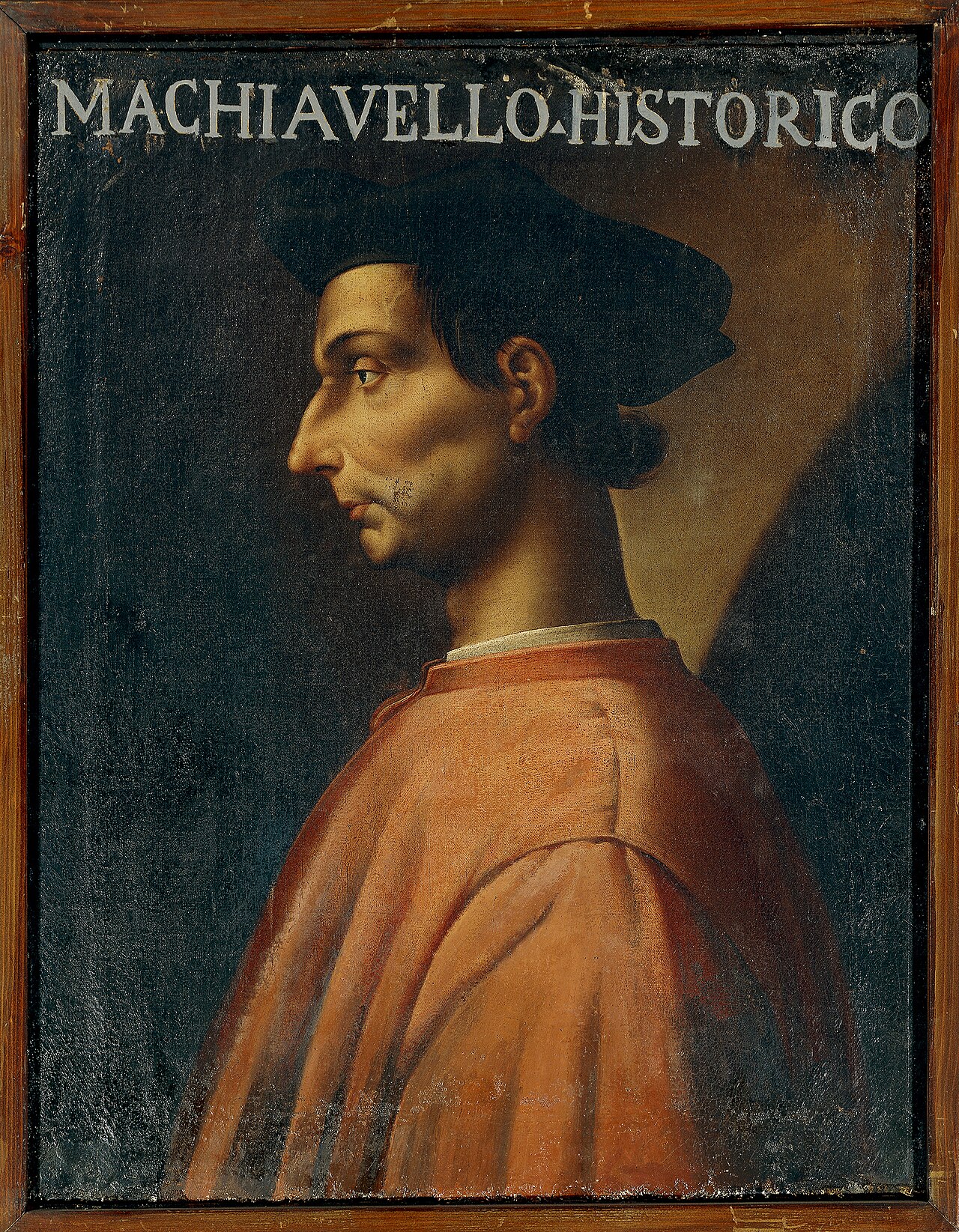
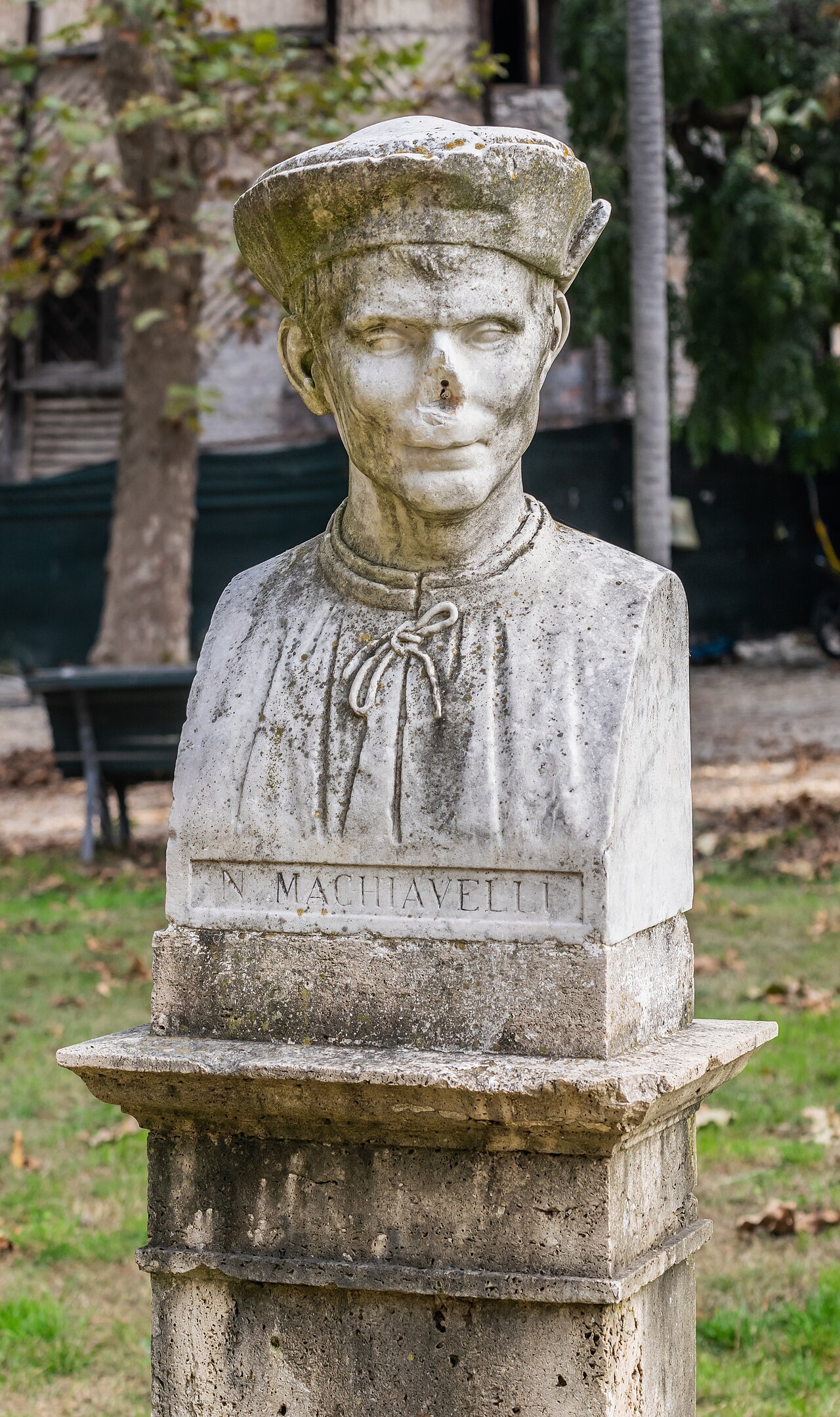
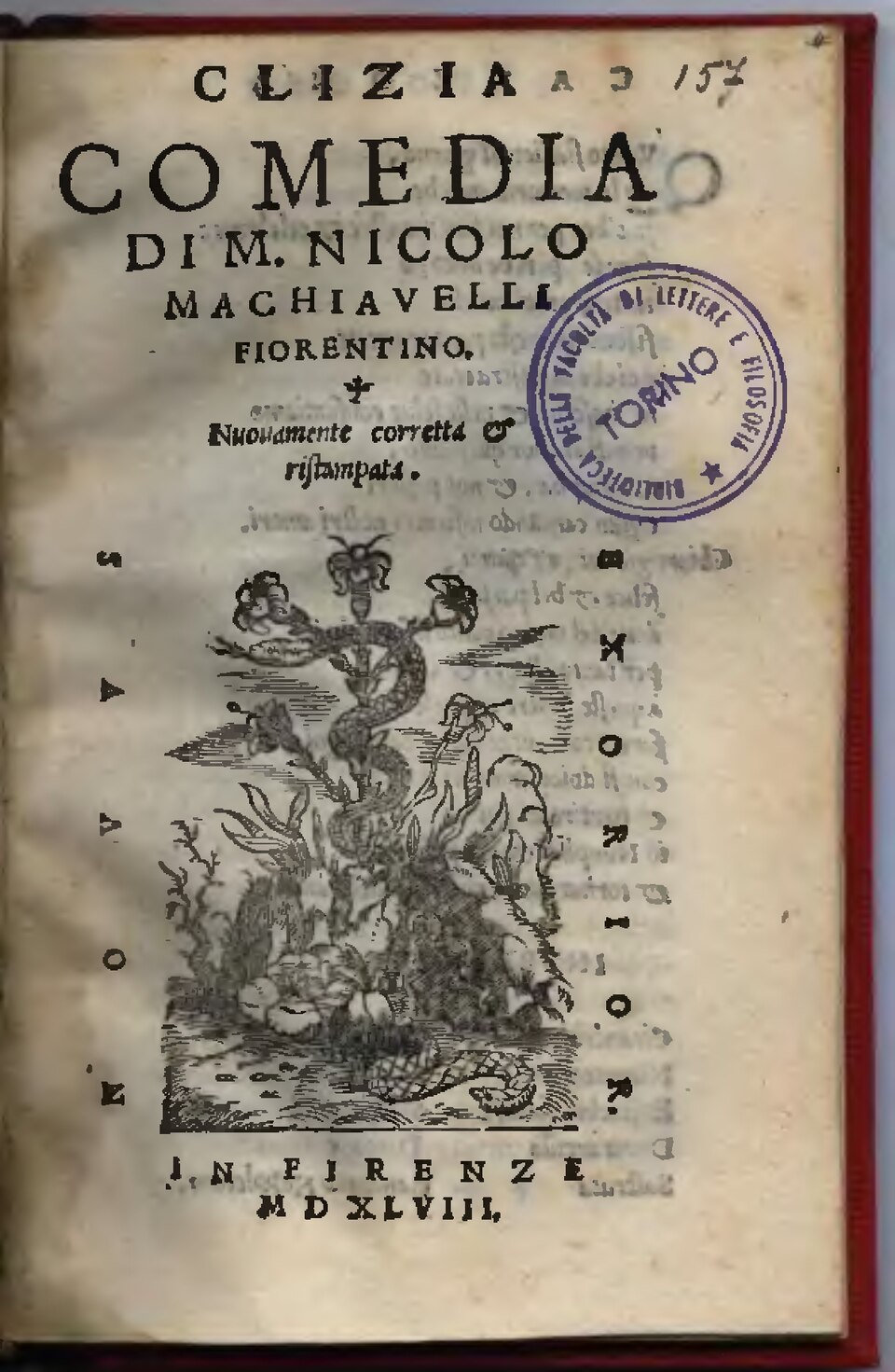
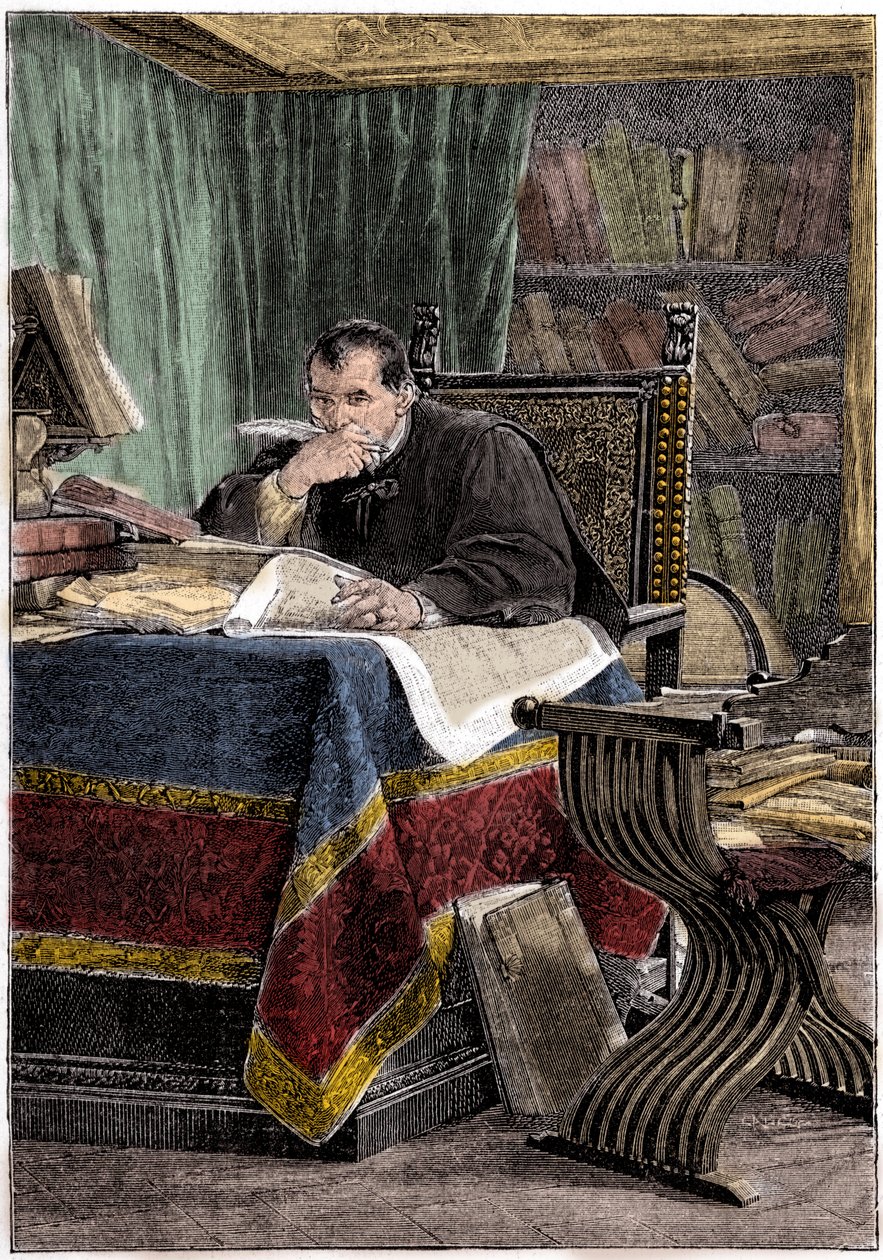
Frequently Asked Questions
Who is Niccolò Machiavelli?
Niccolò Machiavelli was a Florentine diplomat, political philosopher, and historian active during the Italian Renaissance. He is most commonly credited as the father of modern political philosophy and political science.
What is The Prince and when did it come out?
The Prince is Machiavelli's landmark political treatise, drafted around 1513 but not printed until 1532—five years after he died. It lays out pragmatic, often ruthless advice on how a ruler can seize and hold power.
What was Machiavelli's actual job in Florence?
He worked as a diplomat and secretary in the Florentine government, managing foreign correspondence and state affairs in the early 1500s. His political career effectively ended when the Medici family reclaimed control of the city.
Why do people call him the father of modern political philosophy?
Machiavelli abandoned the habit of describing how rulers *should* behave and instead analyzed how power actually operates in practice. That realist, observational method became the foundation for the discipline we now call political science.
When was Machiavelli born and when did he die?
He was born on 3 May 1469 in Florence and died on 21 June 1527. His lifetime covered much of the Italian Renaissance, a period marked by constant shifting alliances among the Italian city-states.
More in Philosophers & Thinkers 1-24
Related in Philosophers & Thinkers
Links follow this subject's own source article.
Spotted an error? Know more?
This is a living reference — every entry is fact-audited, and reader corrections feed straight into our audit queue. Suggest an edit · See this site's audit record